

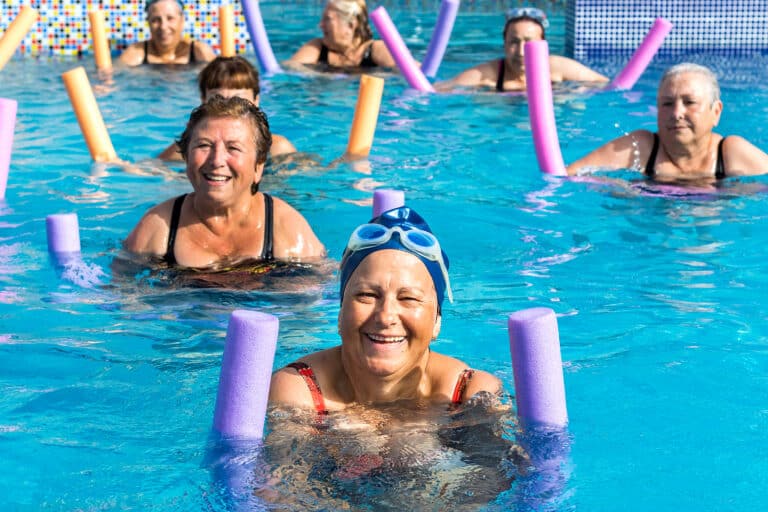
Staying physically active is one of the best ways older adults can support their overall health, mobility, and independence. However, exercise routines often need to change as the body ages. Seniors may experience changes in balance, flexibility, strength, or endurance that require a more thoughtful approach to staying active. Senior home care can help older adults maintain healthy routines by providing assistance with daily activities, encouragement, and support that allows them to remain engaged in the activities they enjoy.
Exercise does not need to involve intense workouts or strenuous activities to provide benefits. For many seniors, safe movement throughout the day can help improve strength, support mobility, and make everyday tasks easier. The key is choosing activities that match an individual’s abilities while focusing on safety and consistency.
Why Staying Active Matters as Seniors Age
Physical activity plays an important role throughout every stage of life. For older adults, regular movement can support many areas of daily living, including balance, flexibility, strength, and energy levels.
As seniors remain active, they may find it easier to complete everyday tasks such as walking through the home, preparing meals, getting dressed, or participating in community activities. Movement also creates opportunities for social engagement and can build confidence.
Aging does not mean giving up favorite activities. Instead, it often means finding safer ways to continue moving and participating in meaningful routines.
Understanding Common Exercise Concerns for Older Adults
Many seniors want to stay active but may worry about falling, becoming injured, or pushing themselves too far. These concerns are understandable, especially for individuals who have experienced changes in mobility or balance.
Some common challenges that can affect exercise include:
- Reduced muscle strength
- Joint stiffness or discomfort
- Balance concerns
- Limited endurance
- Changes in vision
- Fear of falling
Recognizing these challenges allows seniors and their families to choose activities that encourage movement without creating unnecessary risks.
Choosing the Right Types of Exercise
The best exercise routine is enjoyable, realistic, and appropriate for the individual’s abilities. Seniors should focus on activities that support movement while remaining comfortable and manageable.
Examples of senior-friendly activities may include:
- Walking
- Gentle stretching
- Chair exercises
- Light strengthening activities
- Water-based activities
- Balance exercises
Before beginning a new exercise routine, seniors should discuss their plans with a healthcare professional, especially if they have health conditions or concerns about physical activity.
Improving Balance and Reducing Fall Risks
Balance becomes especially important as people age because falls can affect confidence and independence. Exercises that focus on balance and stability may help seniors feel more secure as they move through daily routines.
Simple balance activities, when appropriate, can include standing exercises, controlled movements, and activities that strengthen the muscles needed for stability.
Safety should always come first. Seniors should have a stable surface nearby when practicing balance exercises and avoid activities that feel unsafe or uncomfortable.
Creating a Safe Exercise Environment at Home
The home environment can significantly affect exercise safety. A cluttered or poorly arranged space may increase the risk of trips and falls, making it important to create an area where seniors can move comfortably.
Families can help by:
- Removing unnecessary clutter from walking areas
- Keeping frequently used items within easy reach
- Ensuring proper lighting
- Using supportive footwear
- Creating a clear space for movement
A safe environment allows seniors to focus on staying active without unnecessary distractions or hazards.
Listening to the Body During Physical Activity
One of the most important parts of safe exercise is recognizing personal limits. Seniors should pay attention to how they feel before, during, and after physical activity.
Normal muscle fatigue may occur after movement, but pain, dizziness, chest discomfort, or unusual shortness of breath should not be ignored. Taking breaks and adjusting activities as needed helps prevent overexertion.
Exercise should support better health, not create additional strain.
Staying Motivated With Support
Maintaining an exercise routine can be challenging, especially when seniors do not have someone nearby to encourage participation. Many older adults find that having support makes it easier to stay consistent.
Family members and caregivers can provide motivation by joining activities, helping establish routines, and celebrating progress. Even small accomplishments, such as taking regular walks or completing gentle exercises, can build confidence over time.
How Senior Home Care Supports Active Aging
For some older adults, maintaining independence requires help with the everyday tasks that support their routines. Senior home care provides support that helps seniors stay comfortable at home while continuing to participate in activities that matter to them.
Caregivers can assist with daily needs such as meal preparation, personal care, light housekeeping, transportation, and companionship. This support can make it easier for seniors to conserve energy, maintain routines, and stay engaged with activities that contribute to their quality of life.
Having senior home care assistance available may also help family members feel more confident that their loved one has the support needed to remain active safely.
Adapting Exercise as Needs Change
A senior’s abilities may change over time, and exercise routines should change as well. Activities that were comfortable several years ago may need to be modified to match current strength, balance, and mobility.
Adjusting an exercise routine is not a sign of failure. It is a practical way to continue benefiting from movement while respecting the body’s needs.
The goal is not perfection. The goal is maintaining activity in a way that supports confidence, comfort, and independence.
Encouraging a Lifelong Approach to Movement
Exercise is not only about improving physical health. It also helps maintain independence, support participation in favorite activities, and build confidence in everyday life.
A consistent approach to movement can help seniors remain engaged and connected while supporting their ability to complete daily tasks. Whether it involves a short walk, gentle stretching, or another enjoyable activity, every bit of movement can contribute to a healthier lifestyle.
Welcome Home Care helps older adults maintain independence by providing personalized assistance that supports their daily routines and individual needs. Through companionship, transportation, personal care, and other services, seniors can continue focusing on the activities that bring meaning and enjoyment to their lives.
Safe exercise allows older adults to stay active while reducing unnecessary risks. With the right approach and support, senior home care can help seniors keep moving forward with confidence, comfort, and independence.
If you or an aging loved one is considering Senior Home Care in Tonasket, WA, please contact the caring staff at Welcome Home Care today. Call (509) 322-3274 or visit https://www.whcwa.com/
Welcome Home Care provides compassionate home care in Omak, Brewster, Winthrop, Chelan, Wenatchee, Grand Coulee, Tonasket, Oroville, Republic Washington, and surrounding areas.

Our education and experience paired with a passion to serve our local seniors with the highest standard of care will produce an unmatched service in our community. We share a passion for spending quality time with our families, exploring the breathtaking beauty of our county, staying active, and striving to provide top-notch senior care options in our community! If you see one of us, please say, “Hello!”
- When a Senior’s World Gets Smaller: Why Regular Connection Matters - October 22, 2026
- More Than a Caregiver: One Vietnam Veteran’s Powerful Story of Hope, Healing, and Connection - October 21, 2026
- Caregiver Spotlight: Celebrating Lillian Ranck at Welcome Home Care - October 13, 2026