


Aging brings many changes, and veterans may face unique health concerns connected to their military service, lifestyle, and experiences throughout life. As veterans grow older, families often become more aware of changes that may affect daily routines, mobility, and overall well-being. Veterans home care provides personalized assistance that helps older veterans remain comfortable, safe, and independent while receiving support with everyday needs.
Many aging veterans have spent years prioritizing service, responsibility, and caring for others. Accepting help later in life may feel unfamiliar, but receiving assistance does not mean giving up independence. The right support can allow veterans to continue living according to their preferences while making daily tasks easier to manage.
Understanding common health concerns among older veterans helps families recognize changes early and make informed decisions about care.
Understanding the Health Needs of Aging Veterans
Veterans are a diverse group with different backgrounds, experiences, and health histories. Some may experience health challenges connected to military service, while others face conditions commonly associated with aging.
Over time, physical changes may affect strength, balance, endurance, and the ability to complete everyday activities. Chronic health conditions can also require adjustments to daily routines and additional support from family members or professional caregivers.
Recognizing these changes early allows families to focus on maintaining comfort, safety, and quality of life.
Mobility Challenges and Physical Changes
Many older adults experience changes in mobility as they age, and veterans may face additional concerns related to injuries or physical demands experienced during military service.
Joint pain, reduced muscle strength, and balance difficulties can make everyday activities more challenging. Tasks such as preparing meals, completing household chores, or moving safely throughout the home may require additional assistance.
Maintaining mobility is an important part of preserving independence. Support with daily activities can help veterans continue participating in routines they enjoy while reducing unnecessary strain.
Arthritis and Joint Pain
Arthritis is a common condition among older adults that can affect movement and comfort. For veterans who experienced physical stress during active service, joint discomfort may become more noticeable later in life.
Arthritis symptoms may include stiffness, swelling, and pain that worsens with certain activities. These changes can make tasks such as dressing, bathing, cooking, or managing household responsibilities more difficult.
Assistance with daily routines can help veterans conserve energy and remain active while adapting to changes in physical ability.
Heart Health Concerns
Heart disease remains a common concern among older adults. As veterans age, maintaining heart health often becomes an important part of managing overall wellness.
Factors such as high blood pressure, high cholesterol, limited activity, and other health conditions can increase heart-related risks. Regular medical care, healthy routines, and awareness of changes in physical ability are important components of long-term health management.
Families can help by paying attention to changes in energy levels, activity tolerance, and daily habits while encouraging appropriate medical guidance.
Diabetes and Managing Daily Routines
Diabetes is another condition that affects many older adults. Managing diabetes often involves consistent routines, including following healthcare recommendations, maintaining healthy habits, and attending regular appointments.
For some seniors, changes in vision, mobility, or memory may make daily diabetes management more difficult. Families may notice that tasks that were once simple require more planning or assistance.
Professional veterans home care can help with non-medical daily tasks, such as meal preparation, reminders, transportation, and maintaining routines that support overall well-being.
Hearing and Vision Changes
Changes in hearing and vision are common with age and can affect communication, safety, and independence.
Hearing difficulties may make conversations harder to follow, while vision changes can make it challenging to read labels, navigate unfamiliar spaces, or complete certain household tasks.
Addressing these changes early can help seniors remain engaged and confident. Families can support aging veterans by encouraging regular checkups and making adjustments that improve comfort and accessibility.
Memory Changes and Cognitive Health
Some veterans experience changes in memory and thinking abilities as they age. Forgetfulness can range from normal age-related changes to more significant concerns that require professional evaluation.
Families may notice difficulty remembering appointments, managing routines, or completing familiar tasks. These changes can create frustration for both seniors and their loved ones.
A consistent daily routine, familiar surroundings, and compassionate assistance can help provide reassurance and structure.
Emotional Wellness After a Lifetime of Service
The emotional health of aging veterans deserves attention alongside physical health. Veterans may carry experiences from their years of service that continue to influence their well-being later in life.
Social connection and meaningful relationships remain important throughout the aging process. Isolation can increase when mobility changes, transportation becomes difficult, or health concerns limit participation in activities.
Companionship and regular interaction can help veterans maintain connections with others and continue enjoying activities that bring purpose and fulfillment.
How Veterans Home Care Supports Daily Living
As health needs change, many veterans benefit from assistance that allows them to remain at home. Veterans home care focuses on providing support with daily activities while respecting each individual’s preferences and routines.
Services may include:
- Assistance with personal care routines
- Meal preparation
- Light housekeeping
- Transportation assistance
- Medication reminders
- Companionship
These services help veterans manage everyday responsibilities while maintaining a sense of independence.
Supporting Families Caring for Aging Veterans
Family members often want to provide the best possible veterans home care for an aging veteran, but balancing caregiving with work, family obligations, and personal responsibilities can be challenging.
Additional assistance can help families feel more confident while allowing them to spend meaningful time with their loved one. Instead of focusing only on tasks and responsibilities, families can focus on connection and shared experiences.
Welcome Home Care provides personalized assistance designed to support aging veterans and their families. By understanding the needs of older veterans and providing compassionate daily support, care can be tailored to each person’s situation.
Helping Veterans Age With Dignity and Independence
Aging does not change the importance of independence, respect, and personal choice. Veterans deserve support that recognizes their life experiences and helps them continue living according to their preferences.
Health conditions may create new challenges, but thoughtful assistance can help older veterans maintain their routines, stay connected, and enjoy the comfort of home.
With the right veterans home care support, aging veterans can continue moving forward with confidence, dignity, and the recognition they have earned through a lifetime of service.
If you or an aging loved one is considering Veterans Home Care in Chelan, WA, please contact the caring staff at Welcome Home Care today. Call (509) 322-3274 or visit https://www.whcwa.com/
Welcome Home Care provides compassionate home care in Omak, Brewster, Winthrop, Chelan, Wenatchee, Grand Coulee, Tonasket, Oroville, Republic Washington, and surrounding areas.
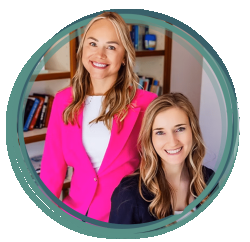
Our education and experience paired with a passion to serve our local seniors with the highest standard of care will produce an unmatched service in our community. We share a passion for spending quality time with our families, exploring the breathtaking beauty of our county, staying active, and striving to provide top-notch senior care options in our community! If you see one of us, please say, “Hello!”
- Helping Seniors Regain Confidence After a Fall at Home - October 8, 2026
- Medication Management Mistakes That Can Lead to Hospital Visits - September 28, 2026
- After Prostate Cancer Treatment: The Daily Challenge Men May Not Talk About - September 9, 2026