

Many veterans are known for their strength, discipline, and sense of duty. But when memory loss begins to affect daily life, even the most independent individuals may need support. For veterans living with dementia, Alzheimer’s, or other memory-related conditions, the goal becomes preserving dignity, routine, and connection to the life they’ve built. That’s where Veterans Home Care can make a meaningful difference.
With services designed to provide safety, consistency, and emotional support, home care allows veterans to remain in familiar surroundings—without giving up the structure and pride that have shaped their lives.
Why Veterans May Experience Unique Memory Care Challenges
Veterans often face health challenges that affect their memory. Some may be living with post-traumatic stress disorder (PTSD), traumatic brain injuries, or conditions related to aging, such as Alzheimer’s disease. These issues can lead to forgetfulness, confusion, difficulty sleeping, or changes in behavior.
What makes memory loss especially difficult for veterans is how it clashes with the values of independence and self-reliance. Accepting help may feel uncomfortable. That’s why it’s important for veterans home care to be respectful, steady, and structured—mirroring the routines many veterans value.
What Veterans Home Care Can Include
At Welcome Home Care, services are tailored to meet both the practical and emotional needs of veterans with memory issues. While each care plan is personalized, many include:
Companion Care
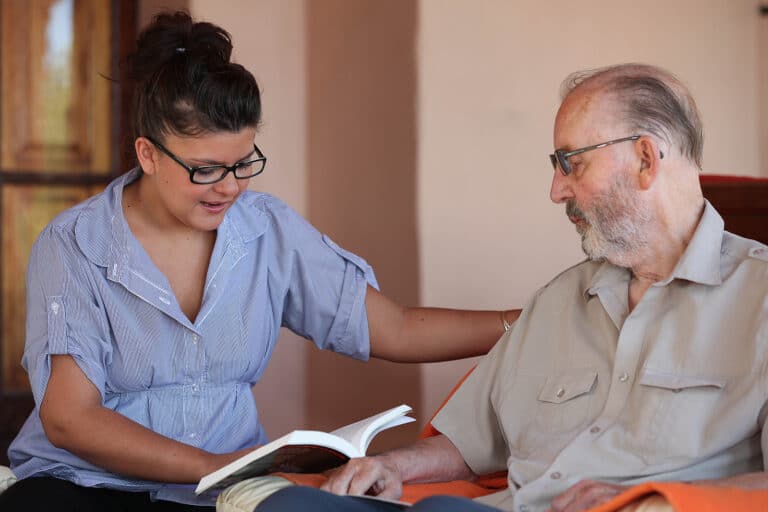
Conversation, light activity, and a familiar presence can ease confusion and loneliness. Caregivers offer steady, respectful companionship that helps keep clients engaged and grounded.
Personal Care
Support with bathing, dressing, grooming, and toileting preserves hygiene and dignity. Veterans often appreciate the professionalism and privacy that trained caregivers bring to these tasks.
Mobility Assistance
Memory loss can lead to falls or disorientation. Caregivers assist with walking, transferring, and repositioning to keep the client safe.
Homemaking Services
Light housekeeping, laundry, and meal preparation help maintain a clean, organized home—reducing stress and providing comfort.
Medication Assistance
Veterans may take multiple medications. Caregivers provide reminders and monitor routines to ensure medications are taken properly and on time.
Respite Care
Many veterans are cared for by spouses or adult children. Respite care gives family caregivers time to rest while ensuring their loved one is still receiving professional, attentive care.
24-Hour Home Care
For those with more advanced memory conditions, around-the-clock care provides safety and supervision. Caregivers rotate in shifts to ensure someone is always present, even at night.
Each service can be adjusted based on the veteran’s needs, routines, and personality. The goal is to support—not disrupt—their daily life.
Structure and Routine Matter
Veterans often thrive with routine. Predictable schedules, familiar faces, and daily structure can provide a sense of calm and control in the face of memory challenges. Veterans home care providers help reinforce these routines by arriving at consistent times and supporting habits that are meaningful to the client.
Simple, everyday routines like shaving in the morning, eating meals at regular times, or enjoying the same TV program each evening can bring a sense of normalcy. This consistency is especially important for veterans experiencing dementia, who may become anxious when their environment or schedule feels unfamiliar.
Honoring Their Service While Providing Support
Many veterans take pride in their identity, their service, and their stories. Companion caregivers can help honor that identity by taking the time to listen, encourage conversation, and respect boundaries.
Caregivers may engage veterans through:
- Discussions about military service (if welcomed)
- Music, photographs, or activities tied to their past
- Encouraging small tasks that provide purpose, like helping fold laundry or water plants
By treating clients with patience, curiosity, and respect, caregivers help veterans feel seen—not just cared for.
Family Support Is Part of the Care
Memory loss affects more than just the individual. Spouses, adult children, and grandchildren often carry the weight of caregiving—and many feel unsure about what to do next. Veterans Home Care helps ease that burden by stepping in where needed, offering professional guidance and hands-on support.
- Respite care allows family caregivers time to recharge
- Consistent caregivers give families confidence in who’s providing care
- Flexible schedules let families choose what level of help is needed
Welcome Home Care works closely with family members to adjust care plans as conditions progress or needs shift.
Staying Home with Dignity
Some families worry that memory loss will eventually require a loved one to move into a facility. But with Veterans Home Care, many individuals can stay in their own homes—surrounded by the familiar people, items, and routines that bring them comfort.
When care is delivered with respect, patience, and flexibility, veterans can retain a strong sense of identity. They don’t just receive help—they are supported in continuing to live a life that reflects who they are.
When 24-Hour Support Is Needed
In the later stages of dementia or Alzheimer’s, supervision may be needed at all hours to ensure safety. Veterans experiencing confusion at night, wandering, or sundowning symptoms can benefit from 24-hour care.
At Welcome Home Care, caregivers work in rotating shifts—so someone is always alert and available. This kind of support offers peace of mind to family members and ensures that the veteran receives attentive, consistent care without leaving home.
Caring for Those Who Served
Veterans gave so much through their service. When memory loss begins to affect their daily lives, they deserve care that’s not only professional—but deeply respectful.
Veterans Home Care offers the support needed to manage dementia, Alzheimer’s, and memory-related conditions—while preserving dignity, structure, and independence. With the right help at home, veterans can continue living on their terms.
Welcome Home Care is proud to support veterans and their families with thoughtful, dependable home care services that meet them where they are—at home, and with honor.
If you or an aging loved one is considering Veterans Home Care in Republic Washington, WA, please contact the caring staff at Welcome Home Care today. Call (509) 322-3274 or visit https://www.whcwa.com/
Welcome Home Care provides compassionate home care in Omak, Brewster, Winthrop, Chelan, Wenatchee, Grand Coulee, Tonasket, Oroville, Republic Washington, and surrounding areas.

Our education and experience paired with a passion to serve our local seniors with the highest standard of care will produce an unmatched service in our community. We share a passion for spending quality time with our families, exploring the breathtaking beauty of our county, staying active, and striving to provide top-notch senior care options in our community! If you see one of us, please say, “Hello!”
- After Prostate Cancer Treatment: The Daily Challenge Men May Not Talk About - September 9, 2026
- Closed for Labor Day, But Care Continues at Home - September 2, 2026
- Safe Exercise for Seniors: Staying Active Without Risking Injury - August 27, 2026